

Article: What Is Candle Scent Throw?

What Is Candle Scent Throw?
What does candle scent throw mean? An explanation of hot throw and cold throw.
Have you ever held a candle, smelt it before lighting it, and thought to yourself that it was going to give your entire house a wonderful smell, only to light it and then be puzzled as to where the fragrance had gone?
Or perhaps you've had the other experience. The scent of the candle is mild when it's in the jar or on the shelf, but as it begins to burn, the fragrance fills the room all at once all at once.
The difference boils down to a term used by candle makers: "Candle Scent Throw."
Scent throw refers to the extent to which a candle's fragrance fills the surrounding area. However, there are in fact two different kinds of scent throw: "Cold Throw and Hot Throw."
If you can understand the difference, you'll be more confident when choosing candles, achieve better fragrance performance in your home, and know why a candle might smell entirely different before and after it is lit.
What is the meaning of Scent Throw?
A candle scent throw is the process by which fragrance moves from a candle into the air surrounding it.
A candle emitting a strong fragrance can generally be detected from a greater distance, whereas one with a weaker fragrance will be felt only near the candle. It's not just a matter of how much fragrance oil has been added.
All of the factors, such as the wax, the fragrance, the wick, the candle's size, the curing time, the room size, the airflow, and indeed the fragrance notes themselves, can influence how a candle smells.
That is one of the reasons why, as a candle maker, I try candles rather than simply assessing them based on how they smell the moment they are poured. A candle can have a beautiful scent when viewed up close, yet behave very differently once it has been burning.
What Is Cold Throw?
Cold throw is the fragrance you smell from a candle when it is not lit.
If you walk past a candle on a table and notice its fragrance, that is cold throw. The scent you smell when you remove the lid from a container candle is also cold throw. Some fragrances naturally have a very noticeable cold throw, especially bright citrus, sweet, fruity, floral, or gourmand scents.
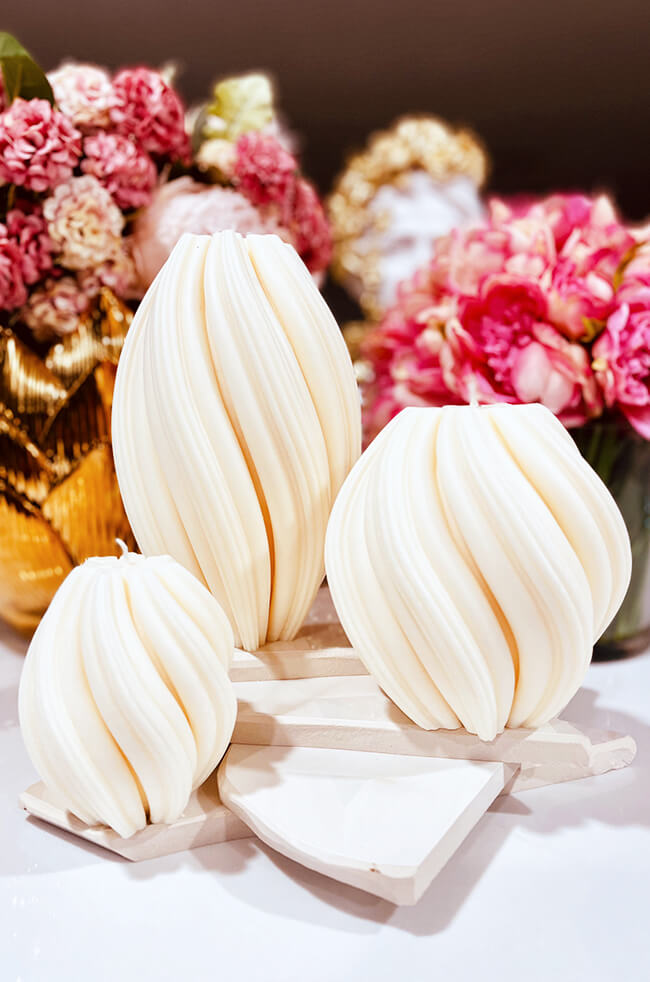
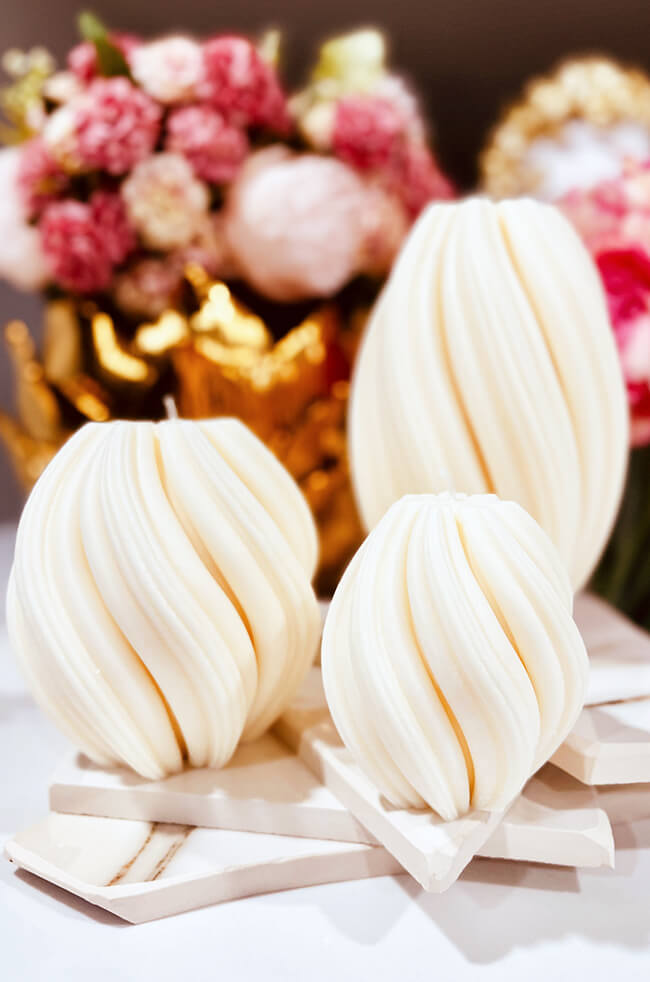
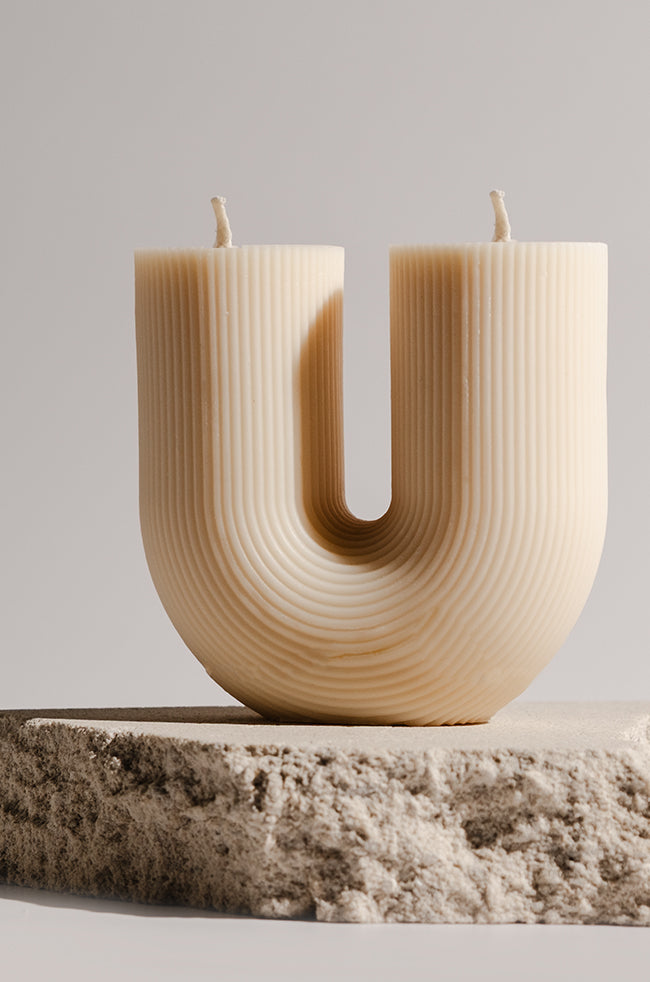
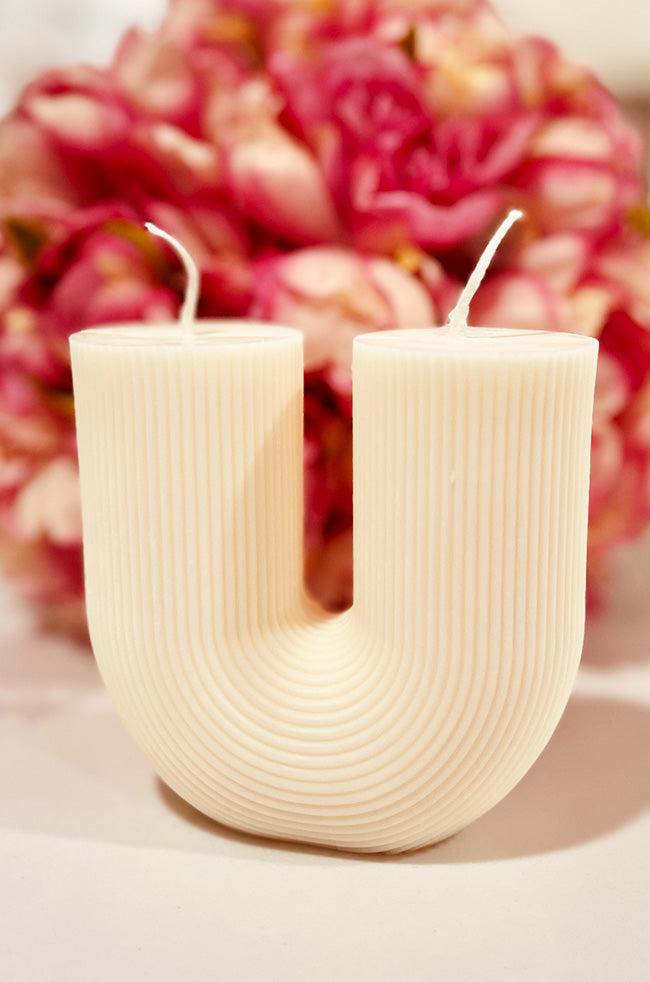
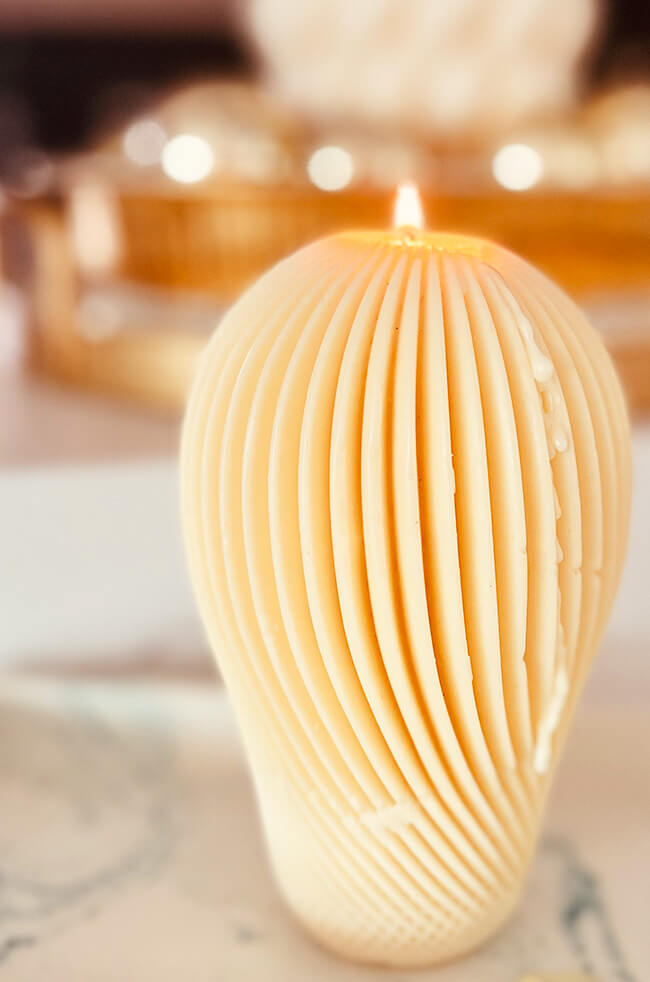
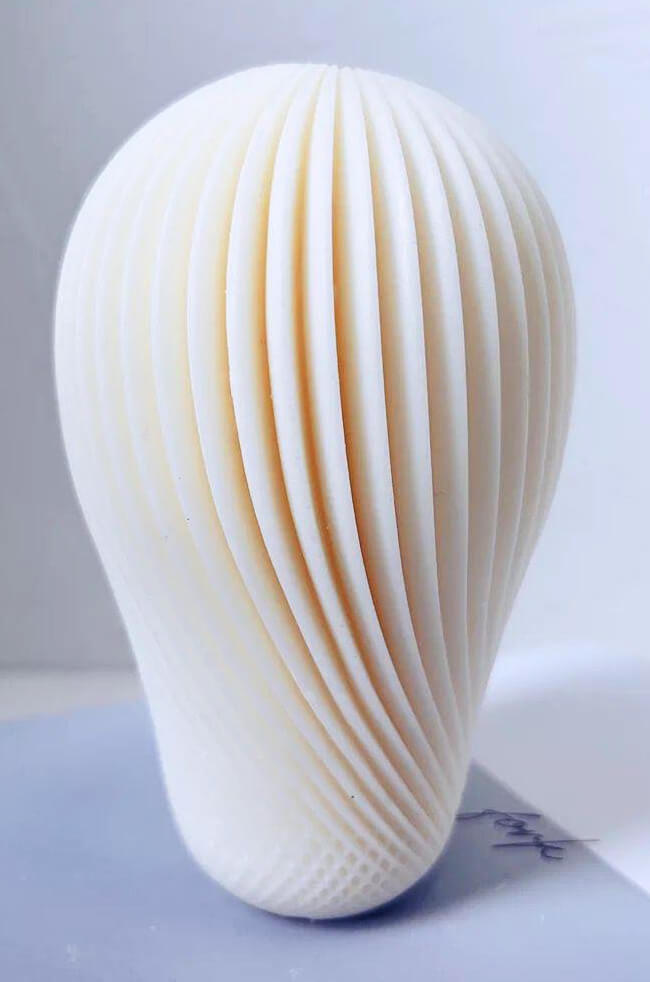
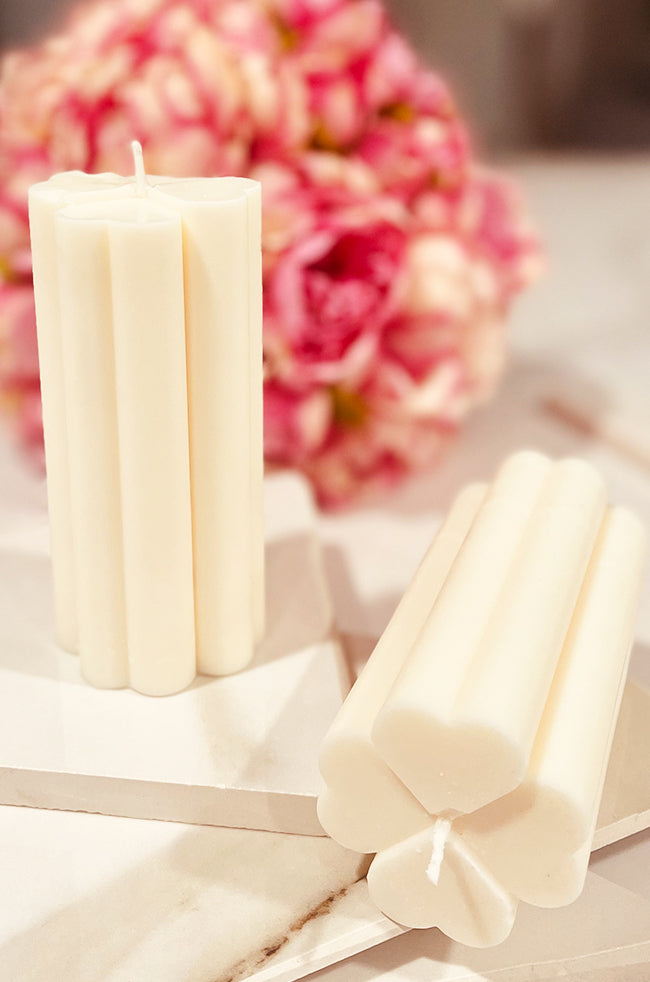
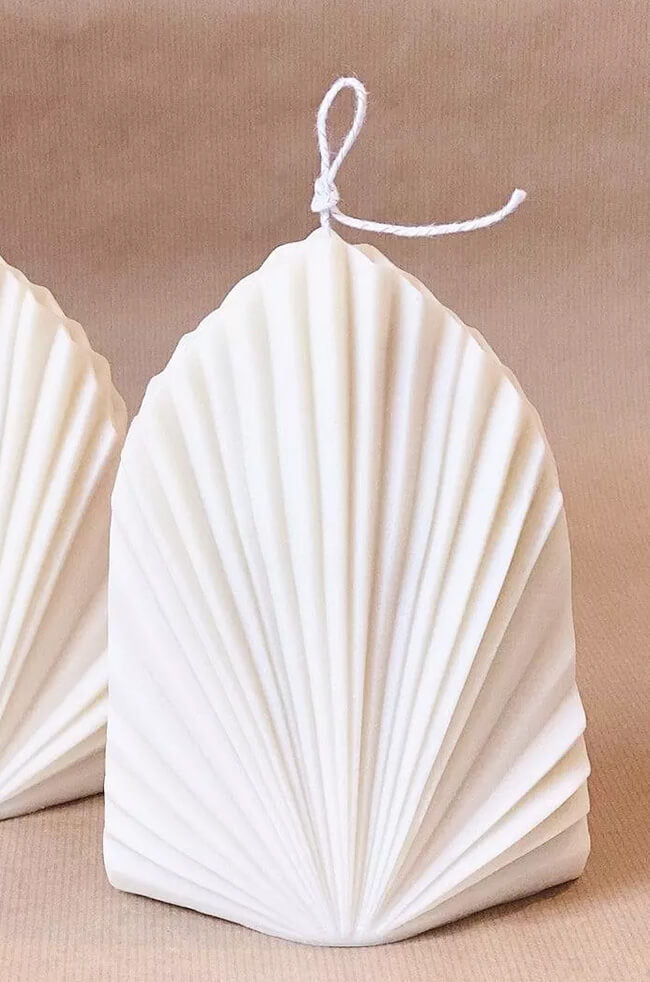
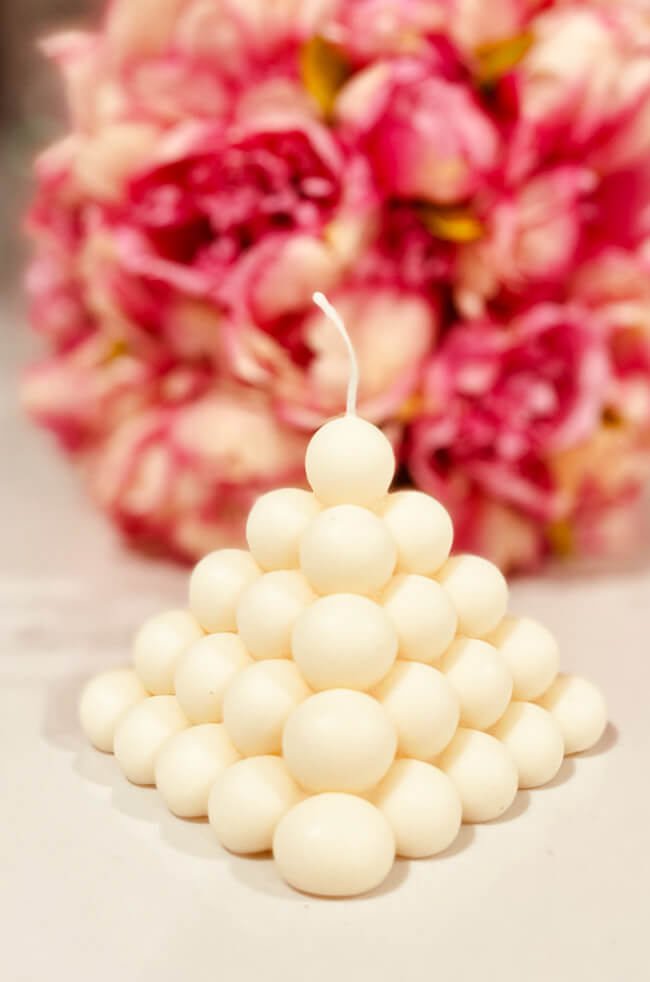
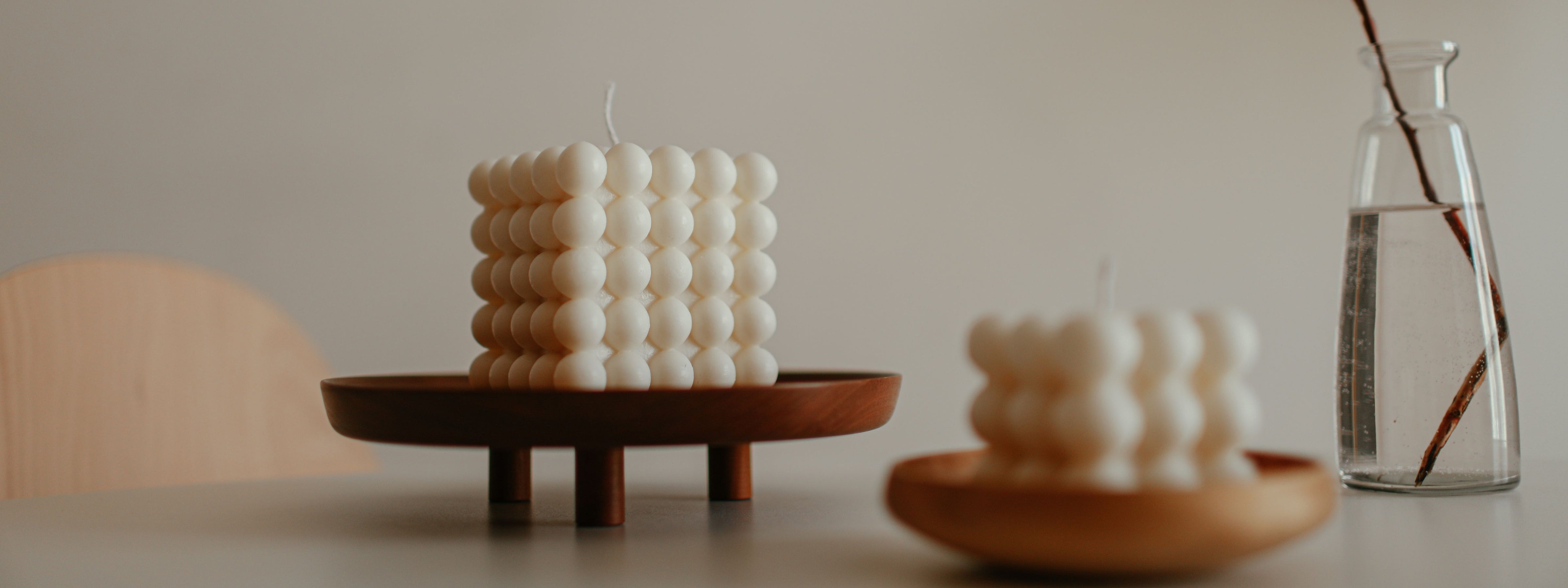
And this is where sculptural candles can be especially interesting. Many Dahil Bar sculptural candles release fragrance even when displayed rather than burned. Because the wax itself is exposed instead of being enclosed inside a jar, you may notice the scent simply by having the candle nearby.
I love this about decorative candles because they can add fragrance and personality to a space before you ever light them. However, a strong cold throw does not automatically mean the candle will have an equally strong hot throw.
What Is Hot Throw?
Hot throw is the fragrance released once the candle is burning and the wax begins to melt.
As the melt pool develops, fragrance is released into the surrounding air. This is usually when you begin to notice how well the candle can scent a room. Hot throw is what most people mean when they say they want a candle that "fills the room." But even a well-made candle needs time to develop its fragrance.
If you light a candle and expect the entire room to smell strongly within five minutes, you may be judging it too quickly. Depending on the candle, fragrance, and room, the scent may become more noticeable as the melt pool develops.
Hot Throw vs. Cold Throw: What's the Difference?
The easiest way to understand hot throw vs. cold throw is:
Cold throw: How the candle smells when it is unlit.
Hot throw: How the candle smells while it is burning.
They are connected, but they are not the same thing. A candle may have:
- A strong cold throw and strong hot throw
- A soft cold throw but surprisingly strong hot throw
- A strong cold throw with a lighter hot throw
- A naturally subtle fragrance both before and during burning
This is why smelling a candle before buying it only tells you part of the story. When I test fragrances for Dahil Bar, I pay attention to both stages. I want the candle to smell beautiful while on display, but I also want to understand how the fragrance develops when heat is introduced. Some fragrance notes bloom beautifully when the wax warms, while others remain softer and closer to the candle.
What Affects a Candle's Scent Throw?
A lot more goes into candle fragrance throw than just fragrance oil.
The Wax
Different waxes interact with fragrance differently. Some wax blends hold and release certain fragrances particularly well, while others may create a softer scent profile. The goal is not simply to make the wax hold as much fragrance as possible. The fragrance, wax, and wick all need to work together.
The Fragrance
Not every fragrance performs at the same strength. A rich vanilla, amber, tropical fruit, or woody fragrance may feel very different in a room than a delicate floral or airy scent. That does not necessarily mean one candle is better than another. Some fragrances are supposed to feel soft and intimate, while others naturally have more presence.
The Wick
The wick helps control how the candle burns and how the melt pool develops. A wick that is not properly matched to the candle can affect the melt pool and, as a result, fragrance performance. This is also why using an oversized wick to create more heat is not a good solution. Candle performance and candle safety have to work together.
Curing Time
Freshly made candles often need time for the wax and fragrance to settle together before they reach their best scent performance. As a candle maker, I have learned not to rush this part of the testing process. Smelling a candle immediately after it has been made does not always give an accurate picture of how it will perform later.
Candle Shape
Shape matters too, particularly with sculptural candles. Unlike traditional container candles that develop a more predictable melt pool in a jar, sculptural candles can melt differently depending on their design, width, wick placement, and shape. That means the fragrance experience can also be different.
Candle Size and Room Size Matter
Sometimes the answer to "Why can't I smell my candle?" has nothing to do with the quality of the candle. The room may be too large for it.
A smaller candle that smells beautiful in a bathroom, bedroom, office, or reading corner may feel much lighter in a large open-concept kitchen and living room. Higher ceilings also give fragrance more space to disperse.
Think about candle fragrance similarly to perfume. One spray may be noticeable when someone is standing beside you, but you would not expect it to fragrance an entire ballroom. If you want a stronger scent presence in a large space, using an appropriately sized candle or several candles placed safely throughout the room can create a more noticeable fragrance experience.
Why Does My Candle Smell Strong Before Burning but Lighter When Lit?
This can happen, and it does not necessarily mean something is wrong with the candle. A fragrance may have an excellent cold throw because certain fragrance notes are very noticeable at room temperature. Once the candle is burning, those notes may behave differently.
Other factors can include:
- The candle is too small for the room.
- The melt pool has not developed enough yet.
- Strong airflow is moving the fragrance away.
- The fragrance itself is naturally subtle.
- The candle has not had enough curing time.
- Your nose has become accustomed to the scent.
That last one happens more often than people realize.
If you stay in a fragranced room for a long time, your nose can gradually become less sensitive to the scent. Someone walking into the room may notice the candle immediately even though you barely smell it anymore.
How Airflow Affects Candle Fragrance
Where you place your candle can make a noticeable difference. A strong ceiling fan, an open window, an air-conditioning vent, or a frequently opened door can carry fragrance away from the area before it has a chance to build up.
At the same time, a completely enclosed space may make the same candle feel much stronger. For better fragrance performance, place your candle in a stable location away from strong drafts while still following normal candle safety practices.
You should never place a burning candle directly underneath a vent, next to curtains, or anywhere the flame can be affected by moving air.
How to Improve Candle Scent Performance Safely
If your candle seems lighter than expected, there are a few things you can try before deciding that it has poor scent throw.
First, give it enough time. For container candles, allowing the wax to develop an even melt pool can help the fragrance release more consistently.
Move the candle to a slightly smaller room and reduce strong airflow from fans or open windows. And remember that fragrance does not need to become overpowering to be effective.
One thing I consider when developing Dahil Bar candles is how the fragrance feels in the space, not simply whether it is as strong as possible. A beautiful candle should add to the atmosphere of a room rather than compete with everything else happening in it.
Does More Fragrance Oil Always Make a Stronger Candle?
No. This is one of the biggest misconceptions about strong scent throw. Adding more fragrance oil does not automatically make a candle stronger or better-performing.
Wax has limits on how much fragrance it can properly hold. Adding too much can create performance problems and may interfere with how the candle burns. There is a balance between wax, fragrance, wick, candle design, and fragrance concentration.
During candle testing, increasing fragrance is not always my first solution if I want more scent. Sometimes the better adjustment involves the wax blend, wick, fragrance itself, curing time, or candle size.
More is not always better. The goal is a candle that smells beautiful and burns properly.
A Note About Sculptural Candles
Sculptural candles offer a slightly different fragrance experience than traditional candles in jars. Since much of the scented wax is exposed, it can release fragrance even when sitting unlit on a shelf, coffee table, tray, or console.
That is one of my favorite things about making scented sculptural candles for Dahil Bar. They can work as décor first, adding shape, color, and fragrance to a room before a flame ever touches the wick.
Once lit, the experience changes again as the wax warms and melts. Because sculptural candles come in different shapes and sizes, they will not all create the same scent throw or melt pattern. Their design is part of what makes each candle experience unique.
The Best Scent Throw Is About Balance
A great candle does not have to overwhelm a room to make an impact. Sometimes you want a fragrance that immediately catches your attention. Other times, a softer scent quietly working in the background creates exactly the atmosphere you were looking for.
At Dahil Bar, I test candles with that balance in mind. I pay attention to how the fragrance smells in the wax, how it develops when the candle is lit, how the candle itself burns, and how the scent feels in a real space.
Because ultimately, candle scent throw is not just about how strong a candle smells. It is about how beautifully the fragrance becomes part of the room.